
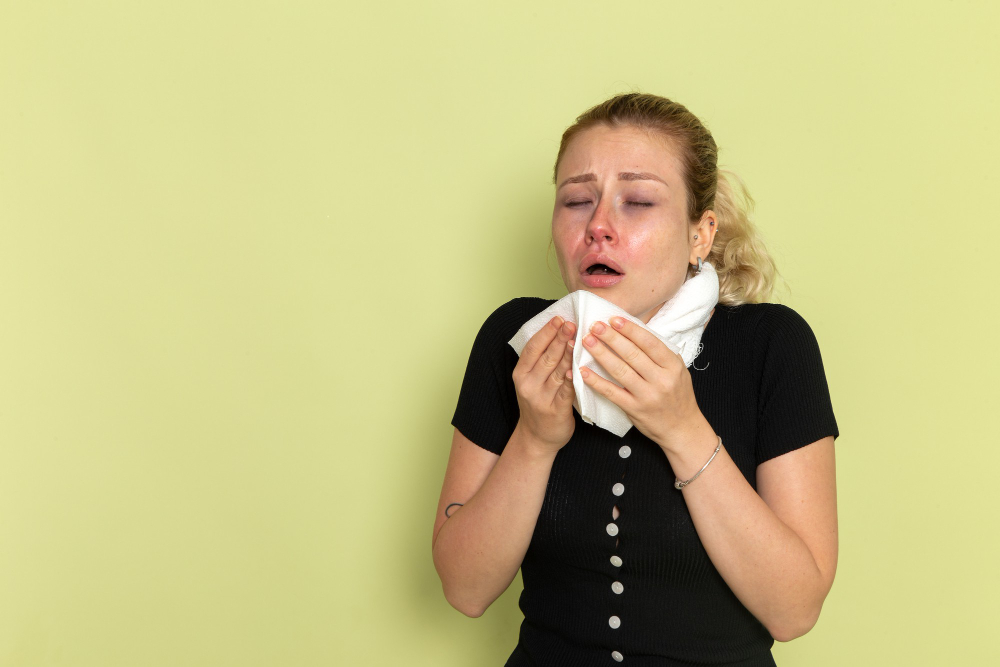
Introduction: What Is Repeated Sneezing?
Repeated sneezing means you sneeze many times in a row, often without warning. While sneezing is common, frequent sneezing can sometimes signal a bigger problem. Usually, sneezing helps clear your nose of dust or germs. However, if you keep sneezing day after day, it may be more than just a seasonal allergy. Understanding the causes of repeated sneezing is important for your health.
Common Causes of Repeated Sneezing
Many things can cause repeated sneezing. Often, it is due to harmless triggers. But sometimes, it points to other health issues. For example, you may sneeze because of:
Still, not all sneezing is simple. Sometimes, chronic sneezing symptoms last for weeks or months. In these cases, it is wise to look for other causes.
Signs It May Be More Than a Seasonal Allergy
Sometimes, repeated sneezing is not just about allergies. For instance, you may notice other symptoms. These can include:
Moreover, if sneezing keeps you awake at night or affects your daily life, it is time to pay attention. Sometimes, repeated sneezing can signal sinus infections, nasal polyps, or even rare conditions like non-allergic rhinitis. According to the CDC, chronic sneezing symptoms should not be ignored if they last more than 10 days.
Diagnosis: When and How to Seek Medical Advice
If you have repeated sneezing that does not go away, you should see a doctor. Especially if you have other symptoms, it is important to get checked. Your doctor may:
Early diagnosis helps you get the right treatment. In addition, it can prevent problems from getting worse.
Treatment Options and Management
Treatment for repeated sneezing depends on the cause. For example, if allergies are the reason, your doctor may suggest:
However, if an infection is found, you may need other medicines. Sometimes, simple home remedies like saline nasal rinses can help. Always follow your doctor’s advice for the best results.
Prevention and Lifestyle Tips
There are steps you can take to prevent repeated sneezing. For instance, you can:
Additionally, tracking your symptoms can help you find triggers. This way, you can avoid things that make you sneeze more.
When to Consult a General Physician
It is important to know when to see a doctor for sneezing. You should consult a general physician if:
Early medical advice can help you find the cause and get the right care. In summary, do not ignore repeated sneezing, especially if it is severe or long-lasting.
If you have concerns about repeated sneezing, consult Dr.MAHISHA BURHAN for personalized advice and treatment.