
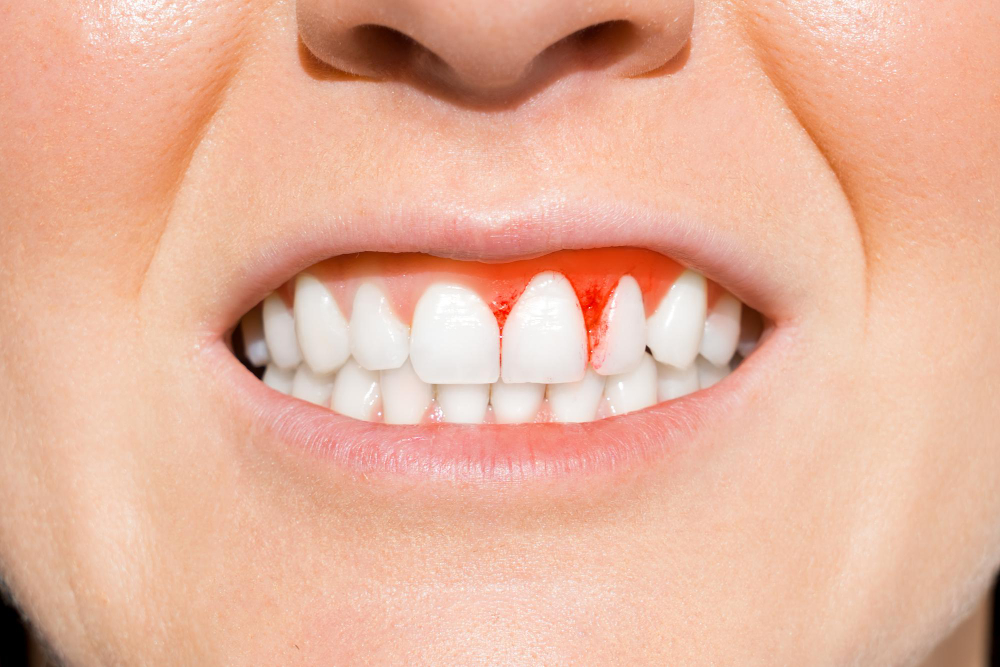
What Are Bleeding Gums?
Many people notice bleeding gums when they brush or floss their teeth. While this is common, it is not normal. Bleeding gums signal that something is wrong with your gum health. Often, this early sign means your gums are inflamed or irritated. If you ignore bleeding gums, the problem can get worse over time. Therefore, it is important to pay attention and take action quickly.
Common Causes of Bleeding Gums
There are several reasons why your gums might bleed. Some causes are simple, while others need a dentist’s care. For example, poor oral hygiene is a leading cause. However, other factors can also play a role. Here are some common causes:
Because these causes vary, it is wise to seek dentist advice for bleeding gums if the problem continues.
Symptoms to Watch For
Bleeding is not the only sign of gum trouble. In fact, other symptoms often appear along with bleeding gums. Watch for these warning signs:
If you notice any of these symptoms, it is important to act quickly. Early treatment can prevent more serious problems.
How Dentists Diagnose Bleeding Gums
When you visit a dentist for bleeding gums, they will start with a gentle exam. First, they will look at your gums and teeth. Next, they may ask about your oral hygiene habits and health history. Sometimes, X-rays help check for bone loss or deeper issues. In many cases, dentists use special tools to measure the spaces between your teeth and gums. This helps them find signs of gum disease. Because early diagnosis is key, regular dental checkups are very important.
Effective Treatments for Bleeding Gums
There are many ways to treat bleeding gums. The right treatment depends on the cause. For mild cases, simple changes can help. However, more serious cases may need dental care. Here are some effective treatments:
With the right care, you can stop bleeding gums and improve your gum health.
Prevention Tips for Healthy Gums
Preventing bleeding gums is easier than treating them. In fact, good oral hygiene tips can keep your gums healthy. Try these simple steps:
Because prevention is key, make these habits part of your daily routine. This will help you prevent bleeding gums and protect your smile.
When to See a Dentist
Sometimes, bleeding gums go away with better care. However, if your gums keep bleeding, you should see a dentist. Also, if you have pain, swelling, or loose teeth, do not wait. Early dentist advice for bleeding gums can prevent serious problems. Remember, your dentist is your partner in gum health.
If you notice bleeding gums, consult Dr. MAHISHA BURHAN for personalized care and advice.